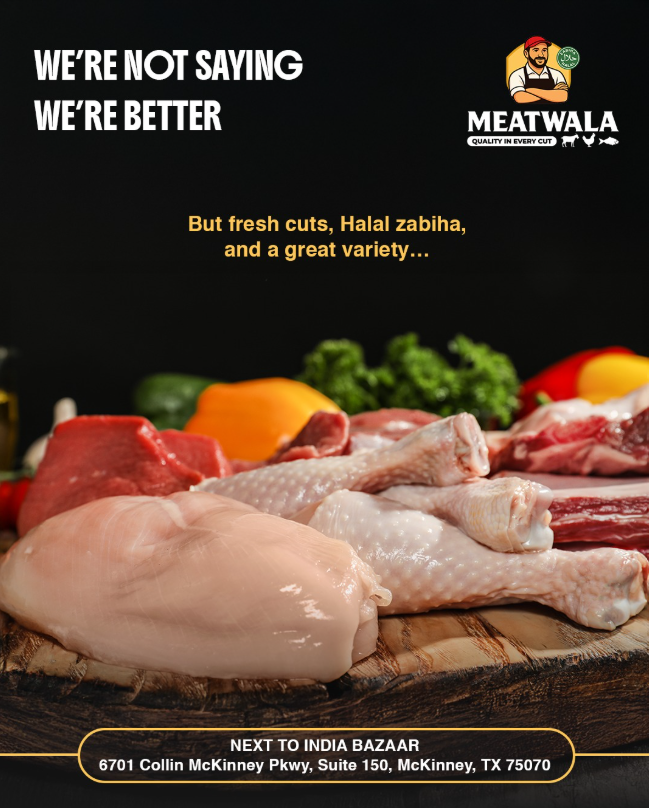
Zabiha Halal is a specific method of slaughtering animals according to Islamic law. The animal must be alive and healthy at the time of slaughter, the cut must be made swiftly across the throat with a sharp blade, and the name of Allah (God) must be pronounced at the moment of slaughter. All blood must be drained from the carcass before the meat can be consumed. This is the standard that makes meat truly Halal for Muslim families.
1. What Makes Meat "Zabiha Halal"?
Not all meat labeled “Halal” follows the full Zabiha method. For meat to qualify as Zabiha Halal, it must meet all of the following conditions:
- The animal must be alive and healthy before slaughter — no sick or dying animals permitted
- A Muslim must perform the slaughter, invoking the name of Allah (Bismillah Allahu Akbar)
- The cut must be made with a sharp blade across the jugular vein, carotid artery, and windpipe — in a single, swift motion
- All blood must be fully drained from the body before processing begins
- No stunning — or only reversible stunning that does not cause the animal’s death before slaughter (a debated point across scholars, but Meatwala follows the strictest standard)
- No cross-contamination with non-Halal meat during processing, packaging, or storage
At Meatwala in McKinney, TX, every cut of chicken, goat, and mutton on our shelves is sourced only from certified Zabiha Halal suppliers and handled in a dedicated Halal facility.
2. Why Does Zabiha Halal Matter Beyond Religion?
Many customers — Muslim and non-Muslim alike — choose Zabiha Halal meat for reasons beyond faith:
i. Hygiene and blood removal The complete drainage of blood during Zabiha slaughter significantly reduces bacterial growth. Blood is a medium for pathogens, so less blood in the meat means a cleaner, safer product.
ii. Animal welfare Zabiha Halal requires that the animal be healthy and treated humanely before slaughter. Islam explicitly forbids causing unnecessary suffering to animals.
iii. No hidden additives Certified Halal facilities avoid pork-based additives, alcohol-based marinades, and other prohibited substances that are common in conventional meat processing.
iv.Freshness Small-batch, community-focused Halal butchers like Meatwala typically turn over stock faster than large supermarkets, meaning fresher cuts reach your kitchen.
3. How to Know If a Shop Is Truly Zabiha Halal Certified
Look for these trust signals before purchasing:
- Ask to see the Halal certification certificate — it should be from a recognized body (ISNA, IFANCA, or a regional certifier)
- The certification should include the supplier’s name and the certifying organization
- Reputable shops are transparent about their supply chain
- Beware of shops that use the word “Halal” loosely without showing documentation
At Meatwala, our certifications are publicly listed on our Certifications page. We believe transparency is a form of trust.
4. Zabiha Halal at Meatwala — McKinney, TX
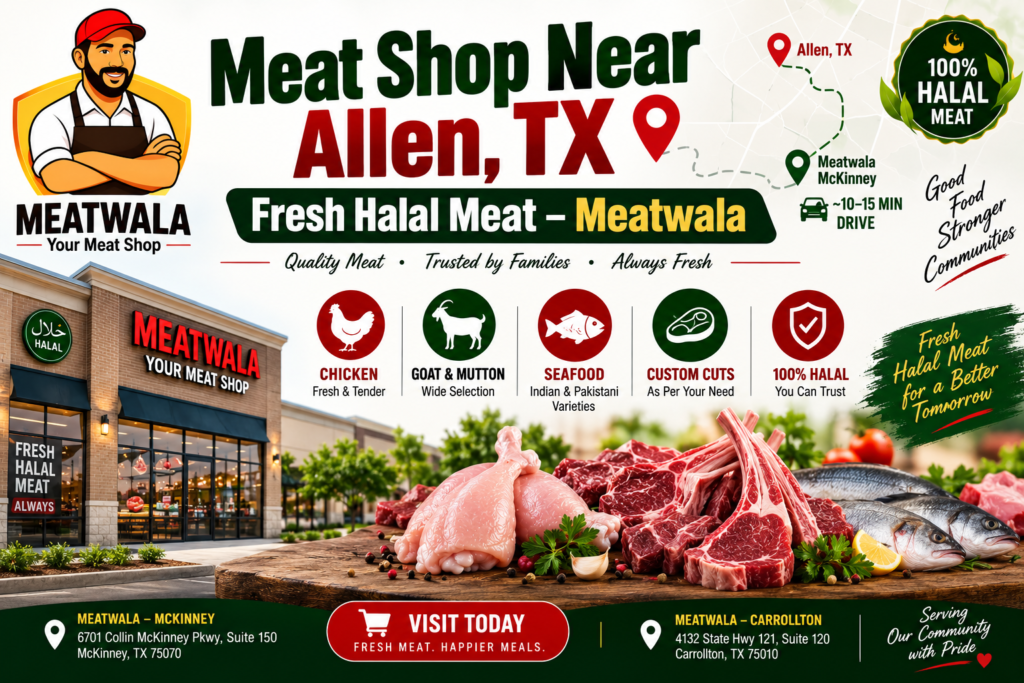
Meatwala is McKinney’s dedicated Zabiha Halal meat shop, serving families across the DFW metroplex. We carry fresh chicken cuts, baby goat, mutton, and seafood — all sourced from verified Zabiha Halal farms and prepared to the highest standards of cleanliness and faith.
We’re located at 6701 Collin McKinney Pkwy, McKinney, TX 75070, Suite 150.
Call us at +1 (214) 455-1884 to place an order or ask about specific cuts.
frequently asked questions (FAQ's)
1Q: Is all Halal meat Zabiha Halal?
Ans: No. “Halal” is a broad term, while “Zabiha Halal” refers specifically to hand-slaughtered meat by a Muslim who invokes Allah’s name. Meatwala follows the stricter Zabiha standard.
2Q: Which is the best halal meat shop in McKinney?
Ans: Meatwala is the best halal meat shop in McKinney.